|
Queen's Speech 2005: Transport
The Queen has announced a number of transport bills during the state opening of Parliament.
If passed the measures will boost plans for Crossrail, provide compensation in the event of a major oil spill, further regulate aircraft pollution and improve road safety.
It is a surprising range of legislation for an area that barely featured in the election campaign.
Crossrail
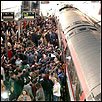
The long-running plans for the Crossrail scheme should finally get off the ground with a bill to enable the construction, maintenance and operation of a new east-west railway in London, linking Maidenhead and Heathrow with Shenfield and Abbey Wood.
The bill outlined in Tuesday's Queen's Speech would see a new fleet of trains operate up to 24 times an hour and would significantly increase the capacity of the rail network in the city to reduce congestion and overcrowding.
The CBI say they are pleased the Crossrail Bill has been carried over, but they have concerns over the exact route of the scheme and funding issues.
The group says companies will not accept picking up the bill if the project runs over budget, and add that "business wants a clear pledge that it will not be liable for such costs".
Shipping
A Merchant Shipping Bill would provide for and additional £440m being made available for compensation in the event of a major tanker oil spill at sea and
The cost of this would be shared by the major oil importers who are part of the international Supplementary Fund Protocol.
The bill will allow the UK to join any future regime governing oil pollution compensation and would enable the UK to reduce air pollution from ships by introducing measures to control gaseous emissions.
Aviation
Under a Civil Aviation Bill, measures dealing with aircraft noise will be clarified and strengthened and airports will be given the power to set charges which reflect local emissions from aircraft.
New powers will provide for a levy to replenish the Air Travel Trust Fund to help customers of failed tour operators.
Taxpayers will be saved around £200,000 a year through a scheme to enable the Civil Aviation Authority to recoup the costs of its Aviation Health Unit, and red tape will be cut from the airline route licensing appeal system to speed up the process.
Road Safety
The Road Safety Bill would introduce a more flexible system of fixed penalties for speeding on the roads and will aim to match the punishment to the severity of the offence. And foreign drivers will not be allowed to escape punishment in Britain.
Drink driving will be targeted through changes to improve the take up of the Drink Drive Rehabilitation scheme and courts will be given increased powers to deal with poor driving standards.
Trunk roads and motorway rest areas will be piloted to reduce fatigue related accidents and the licensing regime will be changed to increase security and accuracy.
Liberal Democrat transport spokesman, Tom Brake, said he welcomed the reintroduction of the Road Safety Bill and confirmed his party would be in favour of measures to reduce road deaths.
But he warned that the Bill shouldn't be used allow people to get away with "moderate" speeding.
"We will strongly oppose any attempts to reduce fines on lesser speeding offences in urban areas," Brake said.
|