More about Maidenhead
Following 1995 boundary changes, Maidenhead split from Windsor to have its own constituency, and takes in surrounding villages. The town itself is prosperous and the area beyond somewhat rural, making it ideal territory for the Conservatives.
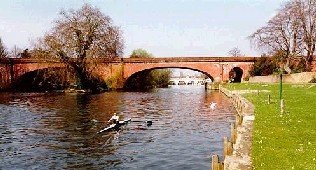
A major change in Maidenhead's history was the arrival of the Great Western Railway in 1838. Brunel spanned the Thames with the brick built railway bridge which still stands. Initially the town declined as the railway took away the road traffic that had been such an important source of income. However, soon people realised they could live in the country and still travel to work on the "iron road." The age of the commuter was born.
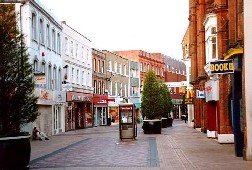
The town's population increased and new shops and businesses grew to serve the middle-class workers. In the late 1800's many new streets appeared in the town centre along with both elegant and working-men's houses on the outskirts. The Orkney Arms changed to Skindle's, a popular hotel and the whole town was often linked with scandal in connection with the tourist and playboy visitors who came for a break in the country by the river.
Today you can travel by train to Paddington station in London in about half an hour and junction 8/9 of the M4 motorway linking London and the west country is a mile or so from the town centre; Bristol is about an hour and a half's drive. Maidenhead has a population of around 60,000 and is part of the Royal Borough of Windsor and Maidenhead.
|




