|
Brown puts economy centre stage
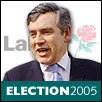 |
| Chancellor: "Opportunity for all" |
As the election is announced Gordon Brown has detailed Labour's plans to boost Britain's economic competitiveness.
The chancellor delivered a speech on the UK's economic future to a City audience, where he set out the choice facing voters.
"This coming election does indeed pose a choice: either we move forward to a Britain united in building long-term economic success and opportunity for all, or we turn backwards to the old Britain of economic instability and social division," Brown said.
His keynote address came just hours before prime minister Tony Blair formally declares that the general election campaign is now underway.
Despite some recent criticism of figures showing lower incomes and falling house prices, Labour strategists continue to see the underlying strength of the economy as one of the key factors in their campaign for a third term.
Challenges
However, Brown cautioned that success will depend on further economic reform to meet the challenges of a global economy.
"We must now confront the next challenge: how, amidst the most rapid and extensive global economic changes the world has seen, we ensure long-term prosperity for the British people," he said.
"It is a challenge which can either be seized or squandered and a challenge that can only be met if Britain has a government on the side of hard working families that will equip Britain and the British people for this changing world."
The chancellor also pledged to deliver "long-term stability" in a Labour third term.
"Of all the economic duties of government, the greatest and pre-eminent challenge is the creation and entrenchment of economic stability and taking the hard decisions to lock stability in, even in difficult times in the world economy," he said.
"And I can promise that in all the economic decisions we will continue to take as a Labour government we will at every stage, enshrine the new British way to stability and growth."
And he denied suggestions that he would play fast and loose with the economy in the next parliament - giving support to some possibly difficult decisions by the Bank of England.
"Having had the strength to make the difficult long-term decisions after 1997, we will continue to have the strength to take the long-term decisions that put stability first now and in the future, supporting our monetary authorities in the difficult choices they have to make," he said.
"And I can say categorically to investors everywhere that while no-one can ignore the reality of the economic cycle and the potential of global events to impact on the economy, we will entrench not relax our monetary and fiscal discipline."
|


