|
Clarke rejects terror law concessions
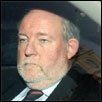
Charles Clarke has effectively ruled out any major concessions in order to secure support for controversial new anti-terror laws.
As the government faces defeat in the House of Lords over measures to give the home secretary power to impose house arrest on terror suspects, the government has sent out a mixed message on the scope for compromise.
Opposition peers, government backbenchers and cross-benchers are poised to unite against the measure - which was passed in the Commons with a slender majority after a Labour revolt.
Opposition focuses on controversial measures to give the home secretary powers impose house arrest without trial and without revealing the evidence behind the decision.
No big move
Whilst some are hoping for a total climbdown, senior government sources suggest any moves this week will be minor.
Speaking on Sunday health secretary John Reid took a tough line against the government's critics.
Asked if further compromises would be forthcoming he claimed: "No, the first responsibility of government is to protect the citizens of this nation that is what the government will do.
"We have tried to compromise on this but there comes a stage where we have to say to others you have to make up your mind make your decision and then explain your decision to the people of this country.
"I do not think there will be any further major concessions because we have to protect people in this country and the other parties have quite frankly to make their mind up and explain their position to the people of this country."
Despite Reid's comments, Clarke could be set to offer concessions in order to avoid the legislation being defeated by peers during three days of debate this week.
Consensus?
Critics want him to increase the role of the judiciary in the issuing of control orders against those suspected to be conspiring to cause an act of terror.
Disputed reports suggest Clarke may also yield to Tory demands to make the legislation subject to a "sunset clause".
The official opposition says the minister can have his legislation providing he vows to withdraw or amend it after a cross-party committee has had the opportunity to study it in detail.
A source subsequently challenged by the Home Office said the government would be unlikely to "go to the wire" over the issue.
But such a move would leave the issue of evidence open to further discussion between government and opposition parties during Monday and Tuesday.
Essential
The government says the legislation is essential if the renewed terror threat is to be tackled effectively.
Over the course of the weekend the former Metropolitan police chief Sir John Stevens, now a peer, said the new laws were vital in the on-going war against terrorism.
He said over 100 trained al Qaeda operatives were operating in the UK. "As you read this, there are at least 100 Osama bin Laden-trained terrorists walking Britain's streets," Stevens wrote in the News of the World.
"The number is probably nearer 200 ... the cunning of al Qaeda means we can't be exact.
"But they would all commit devastating terror attacks against us if they could, even those born and brought up here."
|