|
Targets put pressure on visa staff
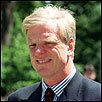 |
| Edward Leigh |
A report from the Commons public accounts committee has revealed that visa processing staff are expected to decide an application every 11 minutes.
The findings come from a study into the work of UKvisas in managing the entry clearance system at visa-issuing posts overseas.
It showed that demand for visas has increased by over 33 per cent in the past five years, causing increased pressure on processing staff.
Entry clearance to the UK - usually in the form of a visa - is required for over 100 nationalities prior to travel, whatever the purpose of their journey.
And people of all nationalities who intend to enter for certain purposes, for example to settle or marry, must also obtain clearance.
UKvisas is the joint Foreign and Commonwealth Office and Home Office body responsible for these immigration controls outside of the UK.
Edward Leigh, chairman of the committee, said the organisation "has done a lot to streamline its procedures to handle the increased demand for visas in the last few years".
"But there is a worrying tension between quick processing and proper control over the visas issued," he added.
"Entry clearance staff are expected to deal with a visa application in about 11 minutes which is surely too little time to look closely at the supporting documents.
"I urge UKvisas to look at whether more time is needed for rigorous scrutiny of applications."
Visa applications
In 2002/03 UKvisas dealt with 1.94 million visa applications at 162 embassies, high commissions and consulates worldwide.
The PAC report found it had made significant efforts to streamline its procedures.
However, it said staff feel efficiency is taking precedence over the application of effective and robust controls.
UKvisas is now developing ways to improve its emphasis on control, through better risk assessment and tackling specific abuses such as bogus students.
But the lack of feedback from visa holders after entry to the UK makes it impossible for UKvisas to check it is achieving its objectives.
Chris Mullin, the Foreign Office minister with responsibility for UKvisas, said it had already put in place a number of measures to address the PAC's recommendations.
"In particular we are expanding the network of risk assessment units to ensure that risk assessment becomes part of our core business," he said.
He also said new public service agreement targets between UKvisas and the Treasury will also come into effect from April 2005.
These are designed to provide reassurance that visa officers are able to devote appropriate time to applications that need more detailed scrutiny.
"UKvisas is part of the overall picture on immigration control, which will be transformed over the next five years through new technology," Mullin added.
"We will fingerprint everyone when they apply for a visa.
"Through the e-Borders programme information on airline passengers will be checked against UK databases of those who present a known immigration or security threat before they board for the UK.
"All those here for more than three months will need to carry residence permits, which will act as ID cards.
"These will provide a simple and secure means of verifying identity, helping us tackle illegal working, organised crime, terrorist activity, identity theft, and fraudulent access to public services."
|


