|
Lord Callaghan dies at 92
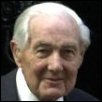
Former Labour prime minister Lord Callaghan has died at the age of 92.
His death came on the eve of what would have been his 93rd birthday, and was just 11 days after the death of his wife of 67 years, Audrey.
A statement from his spokeswoman said he died peacefully at his home in East Sussex.
Labour chairman Ian McCartney said Lord Callaghan had been "an inspiration to many".
"He was a role model of someone who came from a modest background to achieve the highest office in the land," he said.
"He was one of the last remaining links with that inspiring 1945 Labour government but it will be his role as prime minister and leader of the Labour Party in difficult circumstances which we will best remember him for.
"Our thoughts go out to his family at this time."
Former Conservative minister Lord Heseltine also paid tribute.
"You don't get to the premiership unless you have a streak of determination," he said.
"But I saw the other side of Jim Callaghan, he became a personal friend in a way, and my family and I were very fond of him."
And Liberal Democrat leader Charles Kennedy added: "I am very sad indeed to learn of Lord Callaghan's passing.
"When I was first elected in 1983 as the youngest MP, he was the 'Father of the House' and as such took a very keen interest in my early days in parliament.
"He was always full of warmth and wisdom."
Early background
He was educated at Portsmouth Northern Secondary School, and began his career with the Inland Revenue, becoming assistant secretary of the Inland Revenue Staff Federation in 1936.
Lord Callaghan married Audrey Elizabeth Moulton in 1938, with whom he had one son and two daughters.
He enlisted in the Royal Navy in 1942, rising to the rank of lieutenant.
He entered Westminster for the first time in the 1945 general election, becoming Labour MP for South Cardiff, a constituency which he held until 1950.
From 1950 to 1983 he took the seat of Cardiff South East and also represented the Cardiff South and Penarth seat in the 1983-87 parliament.
After leaving the Commons he was made a life baron, taking the title Lord Callaghan of Cardiff.
Rise to the top
James Callaghan's ministerial career began shortly after he first entered parliament.
He was parliamentary secretary at the Ministry of Transport from 1947-50 under Clement Attlee; and was parliamentary and financial secretary to the Admiralty from 1950-51.
But it was in the Labour administrations of the 1960s and '70s in which Callaghan attained the unique achievement of holding all four of the major offices of state.
He was chancellor from 1964-67 where he oversaw the devaluation of the pound in November 1967.
Suggestions that he should resign were rejected, and instead he moved to the Home Office for the period 1967-70; a time when the situation in Northern Ireland was becoming an ever more pressing concern.
From 1974 he was foreign secretary before succeeding Harold Wilson to the premiership in April 1976.
He had a virtually non-existent Commons majority but was kept in office with the support of the Liberals.
His time was marked by rows with the more hard-left elements of Labour, of which he was a dogged opponent.
After Labour lost power to the Conservatives at the 1979 election, Callaghan also served as leader of the Opposition from 1979-80.
|