|
Labour 'tackling the challenges ahead'
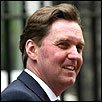
In an article first published in the current edition of the Parliamentary Monitor magazine, Alan Milburn says that Labour is focusing on the key challenges facing Britain.
The 2004 Queen's Speech focuses on making Britain more secure in a changing world: Secure within our national borders. Secure in our neighbourhoods. Secure in our homes.
This is a government programme about hope and opportunity, not fear. It’s about having a secure future. It’s this security that offers the opportunities for each individual to fulfil their potential in an uncertain era.
As a government, we are addressing the tough realities we face as a nation. The 32 bills and eight draft bills announced in the Queen’s Speech build on the government's strong record on law and order – reinforcing with practical measures the reality that one’s chance of being a crime victim is at its lowest for 20 years.
We all have a right to quality public services and economic opportunity, yet new times require new ways of protecting the public, providing public services and delivering social mobility.
The best thing a government can do to increase social mobility is to increase employment and reduce poverty. The government’s programme in 2005 ensures the platform for lifting children and families out of poverty or into work is stronger than ever.
The government is extending economic opportunity to all. Improving schools; building skills; investing in research and development, making childcare affordable and making public services responsive to the different individual needs we all have: These are the bricks that make up the foundations of a fair and modern Britain.
But we need more than foundations. As the prime minister has said, modernising our welfare state must be about providing a springboard to success rather than just a safety net from failure.
That’s why the Further Education Bill will extend financial support for 16-19 year olds in training and further education – to boost participation and skills.
The Disability Discrimination Bill will help deliver to people with disabilities the rights most of us take for granted. The Equality Bill will outlaw discrimination on the grounds of religious faith and establishes the new Commission for Equality and Human Rights. And the Pre-Budget Report builds on the government’s existing programme to enhance opportunities for all and continue this government’s record of economic stability.
But the foremost responsibility of any government is to ensure the lives and safety of its citizens. That is why we are tackling terrorism, crime and drug abuse. We are protecting lives and providing liberty. We all have a right to liberty – the right to live in freedom from fear.
To those ends we must deliver security by tackling crime and terrorism at home and abroad. The introduction of identity cards and the establishment of the Serious and Organised Crime Agency (SOCA) are fundamental to both goals. Identity Cards will disrupt the use of false and multiple identities by terrorists, drug-runners and organised crime; tackle illegal immigration, illegal working, benefit fraudsters and assist with the removal of failed asylum seekers. In doing this we will free up more resources for public services for British nationals.
The capacity of Britain's security services will double over the next three years. An additional £15 million is being made available for Special Branch policing. Practical advice for emergencies has been distributed nationwide.
In 2005, we will be drafting measures to deal with terrorism based on the current consultations that have followed our February 2004 discussion paper on what are appropriate counter-terrorism powers in an open society.
But this year’s Queen’s Speech is not just about international security or counter terrorism measures. It is about protecting our borders and local communities from any menace that limits freedom, instils fear or undermines opportunity.
The Serious Organised Crime and Police Bill is creating SOCA – a world leading agency with the wide perspective and powers it will need to improve our fight against serious organised crime. SOCA’s elite specialist investigators will pursue organised criminals, including law-breaking animal rights extremists, through all legal means.
The Drugs Bill is to strengthen police powers for dealing with drug offenders and strengthening the powers of the courts.
Reassurance and on-the-spot practical help in dealing with anti-social behaviour is offered from 4,000 new Community Support Officers. Our police numbers are up by over 12,500 since 1997, 39,000 more than 30 years ago.
The Clean Neighbourhoods and Environment Bill will puts power in the hands of local communities to deal with nuisance alley-ways, litter, fly-posting, abandoned and nuisance vehicles, fly-tipping, night-time noise nuisance and light pollution. The Road Safety Bill will tackle drink driving and uninsured drivers and the Consumer Credit Bill enhances consumer rights protects people from rip-offs.
The Criminal Defence Service Bill reforms legal aid to deliver for victims of crime and the taxpayer and the draft Youth Justice Bill proposes better sentencing of juveniles and will focus on preventing offending. The draft Corporate Manslaughter Bill offers a more effective sanction for holding companies and other organisations to account where they have paid little or no proper regard for the safety of their workers or members of the public.
The Constitutional Treaty for the European Union Bill is about making the necessary preparations for a future referendum on the European Constitutional Treaty.
The Animal Welfare Bill is about improving the standards of animal welfare and increasing the penalties for abuse. The Bill brings together over 20 pieces of animal welfare legislation in England and Wales.
The Commons Bill is about protecting the country's rural heritage by new protections for land identified as part of the rural cultural identity of England and Wales.
The 2004 Queens Speech outlines the hard decisions we are taking to deliver security to Britain – but let it be seen in the wider context of the government’s programme to extend hope and provide opportunity to all.
The government will not rest in its determination to deliver a modern Britain with universal public services shaped around the choices of the individual not the state. We stand for a fairer Britain with rights linked to responsibilities, people out of poverty and unemployment down. We need a stronger Britain in Europe, the United Nations and promoting democracy and justice around the world. And we are a forward-looking Britain facing up to future challenges from climate change to pension provision to social mobility to terrorism.
Britain’s best days are ahead.
Alan Milburn is Labour MP for Darlington and Chancellor of the Duchy of Lancaster
|