|
Reid unveils public health offensive
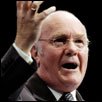 |
| Reid: Public health crusade |
John Reid has published his public health white paper with new measures to reduce obesity, cut smoking and crack down on binge drinking.
The health secretary told MPs on Tuesday that the policy blueprint was of a "manner and scale unseen before" that would fulfil a vision of a "true national health service".
The nation's diet came under close scrutiny with a ban on the TV advertising of junk food before 9.00pm proposed.
Regulatory body Ofcom was charged with reaching a voluntary deal with the food and media industries, while limits on other advertising of high fat foods will be introduced.
The government hopes this will stop food retailers bombarding young people with ads for unhealthy food during children's programmes.
A new traffic light branding scheme will also indicate the best and worst food products available in supermarkets.
High risk foods will be given a red light, with healthy options being awarded the green light in what Reid called "a simple code for processed food to indicate fat, sugar and salt content for shoppers".
"In an age when obesity has trebled in a generation, and, where if the number of obese children continues to rise, we face the prospect of children having shorter life expectancy than their parents," he said.
Exercise boost
Ministers will also extend their NHS Direct scheme with a new "Health direct" online, telephone and digital TV service.
And the government announced a renewed drive to get people to take exercise.
Personal "NHS health trainers" will be made available in order to break the image of the UK as a nation of "couch potatoes".
Reid said the scheme would be targeted at the "worst off areas" so that poorer people can enjoy the same specialist advice as the rich.
Under the plan GPs will be given powers to refer patients to the lifestyle consultants who will put in place exercise and diet regimes.
Patients, initially from those areas with poor health indicators, will be given personal "MOTs" similar to those taken by new gym members.
Consultation
Reid said the white paper was the result of a widespread consultation with the public.
"It is clear we need to do more as a society to improve people's health," he said. "Having defeated many deadly infectious diseases, we now face the challenge of avoidable ill-health caused by poor diet, lack of exercise and smoking.
"These are challenges for all of us to address in our lifestyles - making our own choices about what to eat, how often to exercise and whether we smoke, drink too much, take drugs or engage in risky sexual activity.
"People make their own choices about health, but they have made plain in our consultation that they want the information, advice and support in making their own choices so, we need to ensure that people have the information they require to make properly informed choices; and that they are presented with genuine opportunities and the practical support to make healthy choices.
"We have listened to the public about what they want and looked hard at the evidence of what is effective. There is a role for everyone in this - individuals, communities, employers, parents, schools, the hospitality, food and leisure industries, and of course the NHS and local government.
"This government's role is to help ensure society moves in the right direction - by providing clear information for individuals, working with industry to deliver real progress and where necessary taking decisive action to ensure healthy choices are available to all."
Political reaction
There was a mixed reaction to the government's proposals in the Commons.
The Conservatives accused the government of setting up a "new nanny state", while other MPs said the partial ban on smoking in public did not go far enough.
Shadow health secretary Andrew Lansley said that since Labour had come to power public health had deteriorated, leaving minister to turn to ineffective "gimmicks".
Lansley said the proposed traffic light food labelling system would not work as it did not recognise that foods were not in themselves unhealthy but diets are.
"It is based on the concept of good or bad food when what matters is a good or bad diet," he said.
"Different people need different diets and this crude traffic light will not enable anyone to get the information they need."
However Liberal Democrat health spokesman Paul Burstow criticised the plans for not going far enough.
"This white paper demonstrates that this government lacks the courage to deal with the wide range of public health threats facing this country and he allows us all to continue eating, drinking and smoking at the last chance saloon," he said.
But former Conservative chancellor Ken Clarke said the white paper was "an extraordinary extension of the role of the state in peoples' lives".
|


