|
Peers debate hunt ban
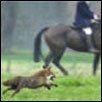
Controversial legislation to ban fox hunting has been discussed in the House of Lords.
The Hunting Bill, which would outlaw hunting with dogs in England and Wales, was on Tuesday given its second reading without a vote.
But peers could yet use the committee stage to table amendments to the legislation designed to challenge the government into a confrontation.
Last month MPs backed the legislation amid scenes of violent protest outside parliament and an invasion of the Commons chamber.
The government has pledged to use the Parliament Act to force the law onto the statute book if the Lords continues to block the Bill.
And amid tight security in Westminster, peers gathered for Tuesday afternoon's debate.
Agriculture minister Lord Whitty told peers, with an air of exhaustion, that "on the basis of two manifesto commitments we are once again bringing this before the House".
"I am under no illusions about the feelings of probably a majority of people in this House about this bill," he added.
And the minister conceded he did not expect to change the views of many peers given that "people on all sides feel provoked by the other side".
Meanwhile, Baroness Byford for the Conservatives insisted "this bill has little to do with animal welfare".
She said Labour was acting out of "class prejudice".
Liberal Democrat peer Lord Steel intervened in the debate to defend hunting.
The former presiding officer of the Scottish parliament insisted "we can't just go around banning things because they don't appeal to us".
He said hunting was a less cruel method of controlling foxes than other alternatives such as shooting.
Compromise move
There were signs before the debate began that compromise might be possible.
The Conservative leader in the upper house, Lord Strathclyde, backed possible moves to allow some hunting to continue under licence.
That was the government's preferred option but was rejected by MPs, who voted in large numbers for a total ban.
"The time has now come for the House of Lords to do what it traditionally does," the peer said.
"That is to be sensible, to look carefully at the Bill that has been offered and try to find a middle way between those who want to abolish hunting in its entirety and those who want to preserve something, possibly through regulated hunting."
|