|
MoD condemned for Iraq equipment failures
An influential committee of MPs has condemned the MoD's supply of vital equipment to frontline troops.
The public accounts committee found that despite spending £550 million on computer systems to track kit, soldiers in Iraq were forced to find their own equipment.
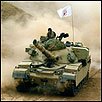
The committee said service personnel were put in greater danger because of an "utterly unacceptable" shortage of protective equipment, particularly body armour, nuclear-biological-chemical suits and NBC filters for tanks.
Along with other potentially life-saving kit the tank filters had still not arrived in Iraq long after the war had finished.
The cross-party committee called on the MoD to take urgent action to learn the lessons of the problems during build up to the war.
They suggest that equipment like body-armour could become the responsibility of individual servicemen
Lessons not learnt
The committee questioned the MoD's ability to learn from previous conflicts, after hearing that the need for better consignment tracking systems had been identified as long ago as the 1991 Gulf War.
It noted that this need had been confirmed by experiences in Bosnia, Macedonia and the 2001 Saif Sareea exercise in Oman.
Despite the £550 million investment over a decade, the MoD's tracking system was not "credible", said the report, adding: "This was a major reason why some equipment did not reach frontline troops when they needed it."
The MPs found the deployment of 46,000 personnel, 19 warships, 14 Royal Fleet Auxiliary vessels, 15,000 vehicles, 115 aeroplanes, 100 helicopters and the supplies needed to support them was made more difficult because of political sensitivities surrounding efforts to secure a United Nations resolution.
The report says: "The timing of the placing of orders with industry was subject to political decisions taken during the autumn and winter of 2002."
Preparation
The MPs were also critical of the failure to adequately prepare for the aftermath of the war.
The report says: "The handing over of responsibilities to civilian agencies needs to be better planned and carried out.
"Planning for the post-war period in Iraq had not been well-developed, leaving British troops with much to do in the immediate aftermath of the fighting.”
Committee chairman Edward Leigh said: "UK military operations in Iraq demonstrated the commitment, bravery and professionalism of our armed forces and those civilians and contractors who support them.
"In return, our service personnel deserve the proper tools to do the job and the best possible protection.
"My committee's report today underscores once more that our forces faced greater risks as a result of shortages in equipment.
"This is utterly unacceptable and the MoD must take the necessary steps to identify gaps in provision and how these may best be addressed in time for any future operations."
|