|
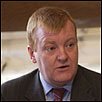
Kennedy stiffens Iraq stance
The Liberal Democrats have warned that they will oppose any further deployment of UK troops to Iraq without an explicit request from British commanders.
Amid growing unease that the prime minister is following US policy without bringing effective influence to bear, Kennedy said he would break ranks to oppose an increased deployment.
"The heavy-handed tactics that have been employed by the United States in Falluja and elsewhere have been unacceptable and counter-productive. This disproportionate use of force has provoked ordinary Iraqis," he said.
Kennedy has come under fire following his appeal for voters to use the June 10 local election as a referendum on the government's actions in Iraq.
In what will be dismissed by the government as a pre-election attempt to make political capital out of the Iraq situation, Kennedy said parliament must be given a greater say on future deployments.
"British troops must not be used to further this failing strategy and the Liberal Democrats could not support the deployment of additional forces for such purposes," he said.
"Before any further British troops are sent to Iraq, the government should consult with and listen to parliament about the role they are expected to undertake.
"The UK should maintain political control and legal responsibility over areas where our forces are deployed."
And he said UK troops should be based in Iraq at the express invitation of the post-June 30 administration.
"After June 30, any extension of the UK's military role, should only take place as part of a new status of forces agreement, established with the new Iraqi government," he said.
His comments came amid claims of a fresh UN split over the governance of Iraq.
France and Russia are said to be pressing to ensure that the Iraqi government is given full control over Iraqi detainees and military matters.
However the US administration is thought to want to retain control of security matters on the ground.
|