|
Forum Brief: Pet travel
The Pet Travel Scheme (PETS) will remove the requirement for dogs and cats travelling to England by air from long haul countries to be placed in a sealed container. It also removes the requirement to fly direct and not enter any other country before entering the UK.
Government Response: Department for Environment, Food and Rural Affairs
Animal health minister Ben Bradshaw said: "The government is making this change to help achieve a smooth transition when the European Regulation applies. In practice, this means that from 13 April airlines will no longer be obliged to carry PETS compliant animals in a sealed container on long haul routes into England. Instead, they will have greater freedom to choose how they transport pet dogs and cats into England. It will also mean that pet owners from long haul countries will be able to take their pets to Europe before entering this country."
Party Response: Conservative
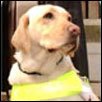
James Gray MP said: "I am delighted about the decision taken today to allow guide dogs for the blind and hearing dogs to be permitted in cabins of long haul aircraft.
"We salute the wonderful work which the various Associations looking after assistance dogs do and I am absolutely clear that it is right that they should be allowed into long haul flight cabins.
"I am also very glad that we had the opportunity not only to allow assistance dogs to be allowed in cabins but also all dogs and cats will now be carried in the aircraft's cabin.
"However, there are clearly consequences in terms of feeding, drinking and toileting which I am keen the Minister should address."
Forum Response: Guide Dogs for the Blind Association
Tom Pey, Guide Dogs’ director of policy said: “This statutory instrument is welcomed by our charity. It will allow much greater flexibility to blind and partially sighted people who travel with their guide dogs.
“We felt that the former regulations discouraged many guide dog (and other assistance dog) owners from travelling internationally, undermining the freedom and independence the guide dog is designed to give them. Such restrictions are an infringement on the rights of disabled people, and completely unacceptable to Guide Dogs and the interests of our blind and partially sighted clients.”
Forum Response: Royal National Institute for the Blind
Steve Winyard, RNIB’s head of public policy said: “We welcome this proposed change in the law. We hope that it will give greater freedom to assistance dog users who previously avoided long haul flights out of concern for the welfare of their dog, which had to travel in a sealed compartment. RNIB fully supports Guide Dog’s development of a sanitary system that will meet the toileting needs of dogs during flights. This should put an end to objections about assistance animals travelling with their owners in the cabin on long haul flights and give assistance dog users the full benefit of the freedom that an assistance dog provides when embarking on international travel.”
|