|
Blair hears Iraq message 'loud and clear'
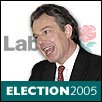
Tony Blair has warned voters that anger over the war in Iraq could let the Tories in "through the back door".
In an interview in today's Guardian, the prime minister attacks the Conservative "send a message" campaign theme, saying it is targeted at key marginal constituencies so that disillusioned Labour voters will abandon the party.
Blair also says he has "heard the message [on Iraq] loud and clear".
"I accept it's been very divisive and I'm sorry because I like to try and bring people together, but sometimes things happen where it's difficult either way," he says.
"I've come to the conclusion that for people opposed to the war, the more I put across my point of view the more it simply irritates them."
The issue of Iraq dominated the election campaign yesterday after the Liberal Democrats and Conservatives sought to use the issue to highlight the "lack of trust" in the prime minister.
The Lib Dems called for an inquiry into the legality of the war, while Michael Howard repeated his accusation that the prime minister had "lied" during the build up to the conflict.
An NOP poll for the Independent finds that most voters want British troops withdrawn from Iraq by the end of this year.
Sixty per cent of the public and 58 per cent of Labour supporters want to see the troops withdrawn by the time their United Nations mandate expires in December.
Meanwhile, the Times reports that the majority of Labour's potential new MPs are not talking about the war in Iraq, with just one in 12 of them prepared to back Blair's decision to send in British troops.
Lib Dem leader Charles Kennedy said: "The silence of these candidates suggests that they share the judgment of many in this country that the prime minister made an appalling error of judgment in going to war in Iraq."
The FT reports that on a visit to Bristol yesterday the prime minister was confronted by anti-war protestors.
And the local campaign co-ordinator in Bristol West was also said to be less than enthusiastic about Blair's visit, fearing it would deter more voters than it attracted.
|